Ubuntu
Nguni Bantu (Zulu, Xhosa, Ndebele) · “Humanity. 'I am because we are.'”Ubuntu
I am because we are. The Southern African idea that a person is a person through people.
Worth knowingWords
The story
Ubuntu is a word from the Nguni Bantu languages, Zulu, Xhosa and Ndebele among them, and it means humanity, or the quality of being a person. The proverb behind it is 'umuntu ngumuntu ngabantu' in Zulu, 'umntu ngumntu ngabantu' in Xhosa: a person is a person through other people. The English 'I am because we are' is a translation of the idea, not the words.
The word became known worldwide through South Africa's transition. Desmond Tutu used ubuntu to explain the Truth and Reconciliation Commission: you cannot be human in isolation, so your enemy's humanity is bound to yours. Nelson Mandela described it through the traveller who is fed by a village without asking. It has since been used by a Linux operating system, by diplomats, by sports teams and by a great many companies.
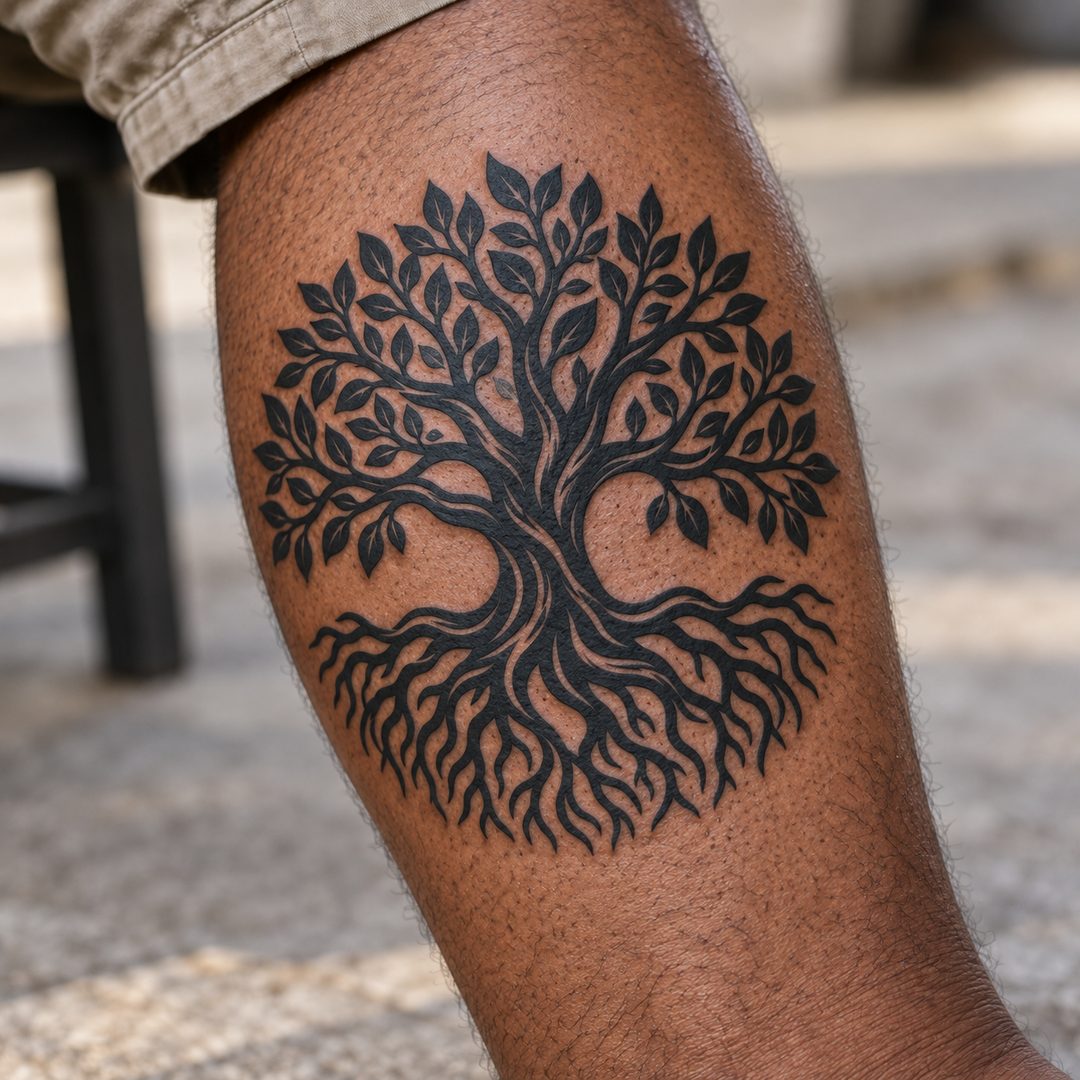
As a tattoo it is a single word, usually in clean capitals or a light script, worn by Southern Africans as a statement of who they are and by others as a value they admire. Some pair it with the map of Africa or a tree. It is the rare phrase tattoo in a language many of its wearers actually speak.
What it means
- Nguni
- Personhood. A person is a person through other people.
- South African transition
- Reconciliation. Tutu's theology of shared humanity.
- Global
- Community over the individual. 'I am because we are.'
Best place to wear it
Inner forearm Top pick
A word about other people, worn where other people can read it.
letters 10 to 15 mm, 5 to 8 cm long
Pain 3/10 · heals in about 14 days
Collarbone
One word along the bone. Neat and easy to cover.
letters 8 to 12 mm
Pain 7/10 · heals in about 14 days
Spine
The full proverb, one word per level, reading down.
letters 10 to 15 mm
Pain 8/10 · heals in about 21 days
Get it right
Spell it 'ubuntu', six letters, no double letters; a capital U is fine. For the full proverb, Zulu and Xhosa spell it differently (umuntu versus umntu), so have a speaker of the language you chose read the stencil, not a printout of a website. Being one word it is often done small; thin script under 8 mm blurs, so ask for 10 mm or more, with open letter spacing so the two u's and the n stay distinct. Capitals suit its weight. The inner forearm is the natural place; the collarbone works for the single word; the spine takes the full proverb one word per level.
Styles that suit it
Related
Sources
Researched from the sources below; cultural review pending.