Skull
Remember you will die. Not a threat: an old reminder to live properly.
When a Roman general rode through the city in triumph, the story goes, a slave stood behind him in the chariot whispering: remember you are only a man. Christian Europe turned that whisper into the skull on tombs, rings and paintings, memento mori, remember you will die. It was never a threat. It was advice: time is short, so spend it well. That is still what the skull says, grinning, from an arm.
Worth knowing
The story
The skull is older than tattooing as we know it, and its first meaning was not menace but humility. In Latin the idea is memento mori, remember that you will die. Medieval and Renaissance Europe put skulls on tombs, in paintings and on mourning rings and pendants, so that the living would keep death in view and spend their time well. The Dutch vanitas painters of the 1600s set a skull among flowers, fruit and coins to make the same point: all of this passes. Hamlet holding Yorick's skull is the same idea on stage.
Mexico's Day of the Dead gave the skull a warmer face. The decorated sugar skulls and the elegant calaveras drawn by Jose Guadalupe Posada in the early 1900s treat the dead as family who visit, not as something to fear. The pirate flag pulled the skull the other way, toward threat, and that is the reading most people assume today.
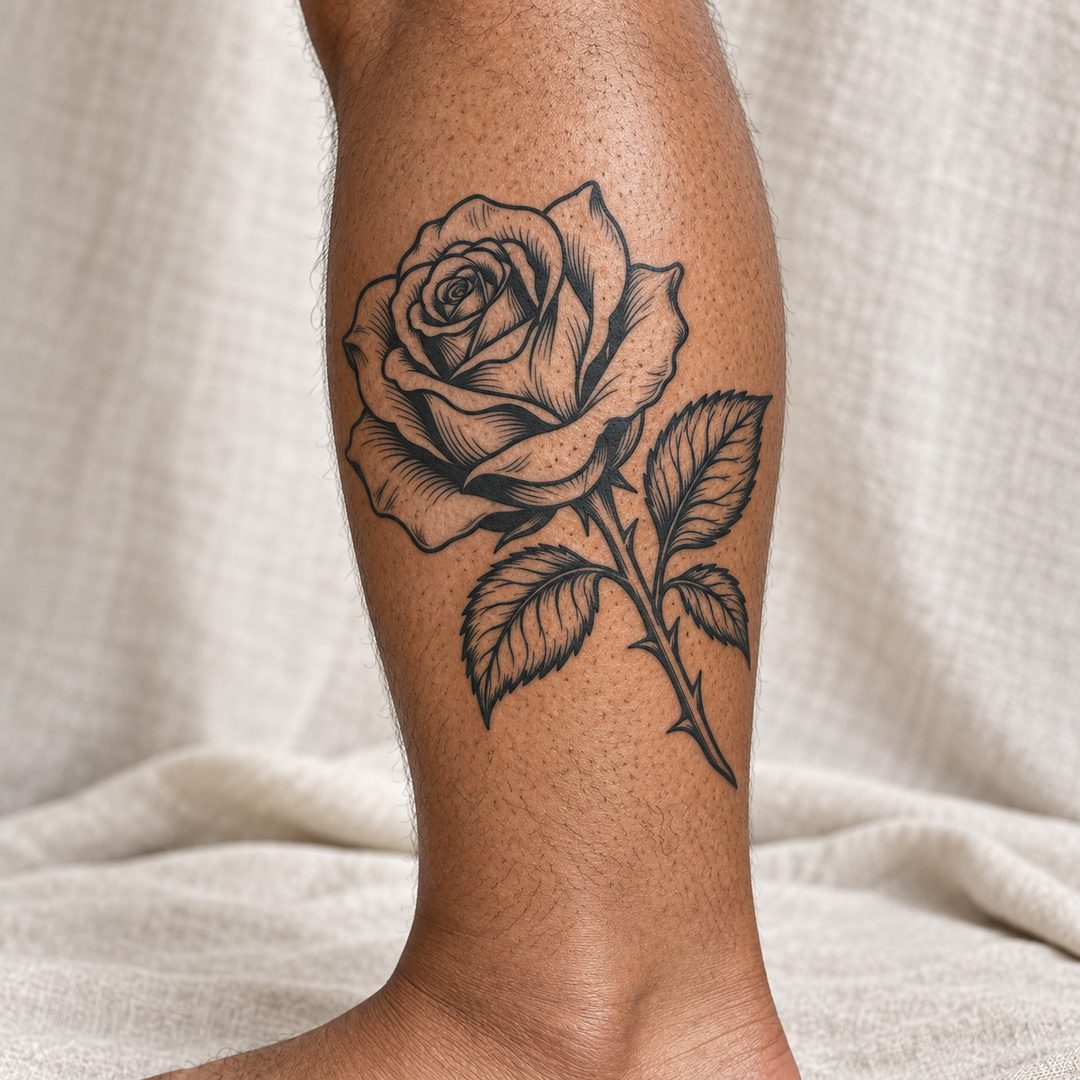
In tattooing the skull runs through everything. Sailors wore it as a memento mori and a mark of having faced death. American traditional pairs it with a rose, life and death in one image. Realism artists build whole sleeves around it. Most skull tattoos are worn by ordinary people who lost someone, survived something, or simply want the oldest reminder there is: this is the only life, so do not waste it.
What it means
- European (memento mori)
- Remember death, so you live well. Humility, not aggression.
- Mexican (Dia de los Muertos)
- The dead as beloved family. Celebration and remembrance.
- Maritime and traditional
- Death faced and survived. With a rose: life and death together.
Best place to wear it
Upper arm (outer) Top pick
Room for a proper skull with a rose, and easy to cover for work.
10 to 18 cm
Pain 3/10 · heals in about 14 days
Shoulder blade
A quiet memento mori you do not have to explain to anyone.
8 to 12 cm
Pain 4/10 · heals in about 14 days
Thigh (outer)
The big canvas for realism skulls; forgiving skin and no sun.
15 to 25 cm
Pain 3/10 · heals in about 14 days
Get it right
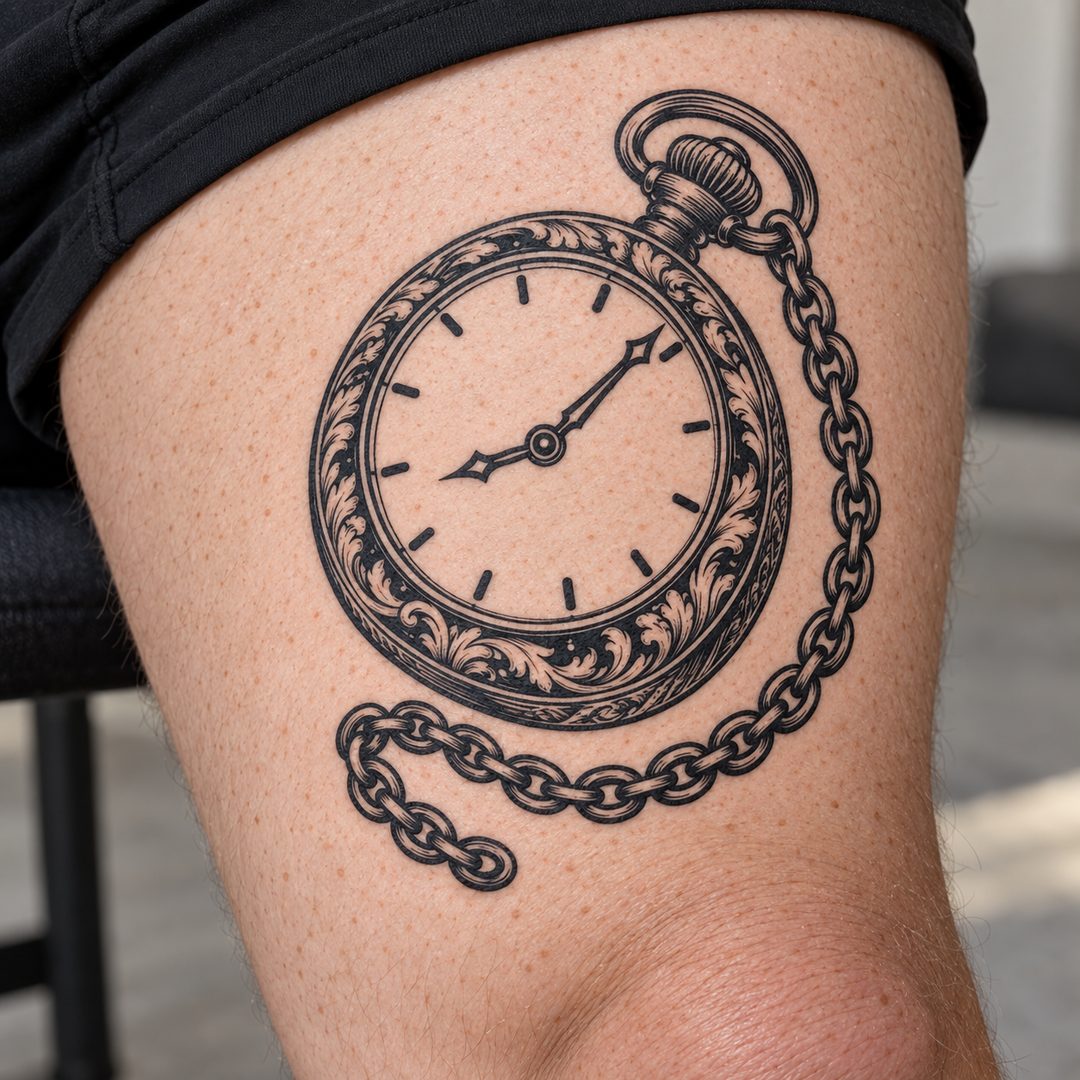
A skull lives or dies on its proportions. The eye sockets, the nasal cavity and the teeth are where amateurs go wrong, so look at the artist's healed skulls, not just fresh ones. Decide the mood before the design: a traditional skull is bold and almost friendly, a realism skull is heavy and needs size, a sugar skull is colourful and belongs to a specific tradition. Small skulls lose the teeth first; keep them above 5 cm or simplify to a clean outline. If you want a rose, snake, dagger or clock with it, plan them as one drawing rather than adding on later.
Styles that suit it
Related
Sources
Researched from the sources below; cultural review pending.